
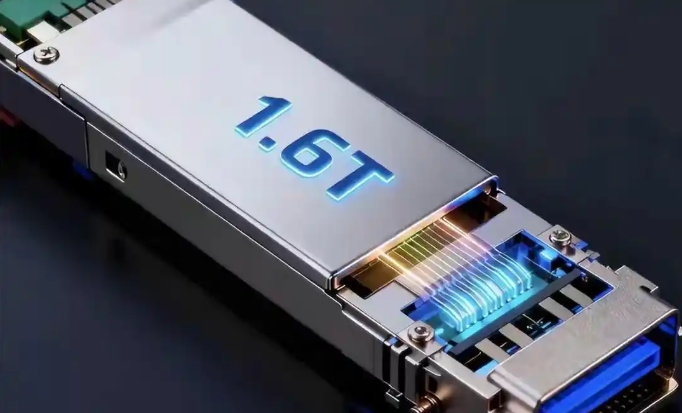
With thermal conductivity of 170–230 W/m·K, electrical insulation, and a CTE closely matching silicon chips, ceramic electronic substratehas become the preferred solution for thermal management in 1.6T optical modules, SiC/IGBT, and AI servers. AlN penetration in 800G modules is currently estimated at around 20–30% (figures vary across sources but none exceed 50%). The shift is accelerating much faster for 1.6T: nearly 100% of modules are equipped with TECs as standard, and the ceramic substrates inside TEC cooling units are transitioning from an alumina/AlN mix to full AlN coverage — penetration is moving from 50% toward 100%. This drives simultaneous volume growth for upstream powder and finished components.
The semiconductor equipment side is also shifting materials: alumina electrostatic chucks, heaters, and chamber components are gradually migrating to AlN. Aluminum nitride heater for semiconductor manufacturing demands not only high thermal conductivity but also plasma corrosion resistance, uniform temperature control, and metal impurities (Fe/Ca/Na) controlled to ppm levels. AlN ceramic structural components are gaining increasing presence in etching, deposition, and metallization processes, while advanced node requirements for temperature uniformity continue to steepen the adoption curve.
Consumables are following downstream expansion as well: aluminum nitride crucible is used in reactive metal melting, phosphor and nitride sintering, evaporation coating, and metallization processes, while custom aluminum nitride crucible is tooled to customer specifications for charge size, atmosphere, and purity requirements. Demand is anchored in the expansion of semiconductor material preparation and high-temperature process lines — not substrate factories themselves. Substrate sintering uses graphite or tungsten crucibles; the two lines should not be conflated. China AlN crucible has evolved from a "niche custom product" to a frequent inquiry item for equipment manufacturers in recent years, but high-end crucibles remain constrained by sintering density, thermal shock resistance, and cleanliness. Two additional process challenges are unavoidable: surface oxidation accelerates above approximately 800°C in air, rapidly degrading service life, and both storage and operating conditions must prevent moisture-induced hydrolysis.
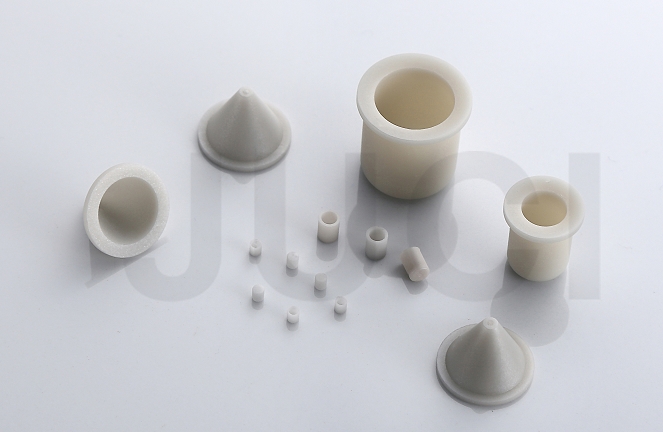
The market logic has changed: previously, buying AlN components was about "whether supply was available"; now it is about "thermal conductivity, warpage, metal ions, and batch CV values." Aluminium nitride ceramic is not an ordinary advanced ceramic — it is the insulating, thermally conductive foundation of high-power semiconductors.
Xiamen Juci manufactures High Purity AlN Powder , AlN Granule, Thermal Conductive Filler and AlN Ceramics . Please contact us if you have any requirements.
Contact: Jenny Qin / 진현혜
Phone: +86 151-5177-8700
Wechat ID: JENNY-8866
Xiamen Juci Technology Co., Ltd.
Email: qinxianhui@chinajuci.com
Website: www.jucialnglobal.com
WhatsApp : +8618250812806
WhatsApp : wechat: JENNY-8866
Email : chenxiaofang@chinajuci.com
Email : qinxianhui@chinajuci.com
Tel : +8618250812806
Tel : +8615151778700