
Thermal material selection for optical modules is undergoing a critical transition. Aluminum nitride vs alumina optical module is a top comparison topic among engineers and procurement professionals. The core differences come down to three factors: thermal conductivity (AlN 170–230 vs Al₂O₃ 20–30 W/m·K), CTE matching (AlN ~4.5, close to InP 4.8; Al₂O₃ ~7.5, a wider mismatch), and unit cost (AlN substrates are roughly 3–5× the price of alumina, depending on specifications and volume). The selection logic is clear: when module power exceeds 20W or local hotspot heat flux rises significantly (>50 W/cm²), the performance window for AlN opens up; below this range, alumina remains cost-effective.
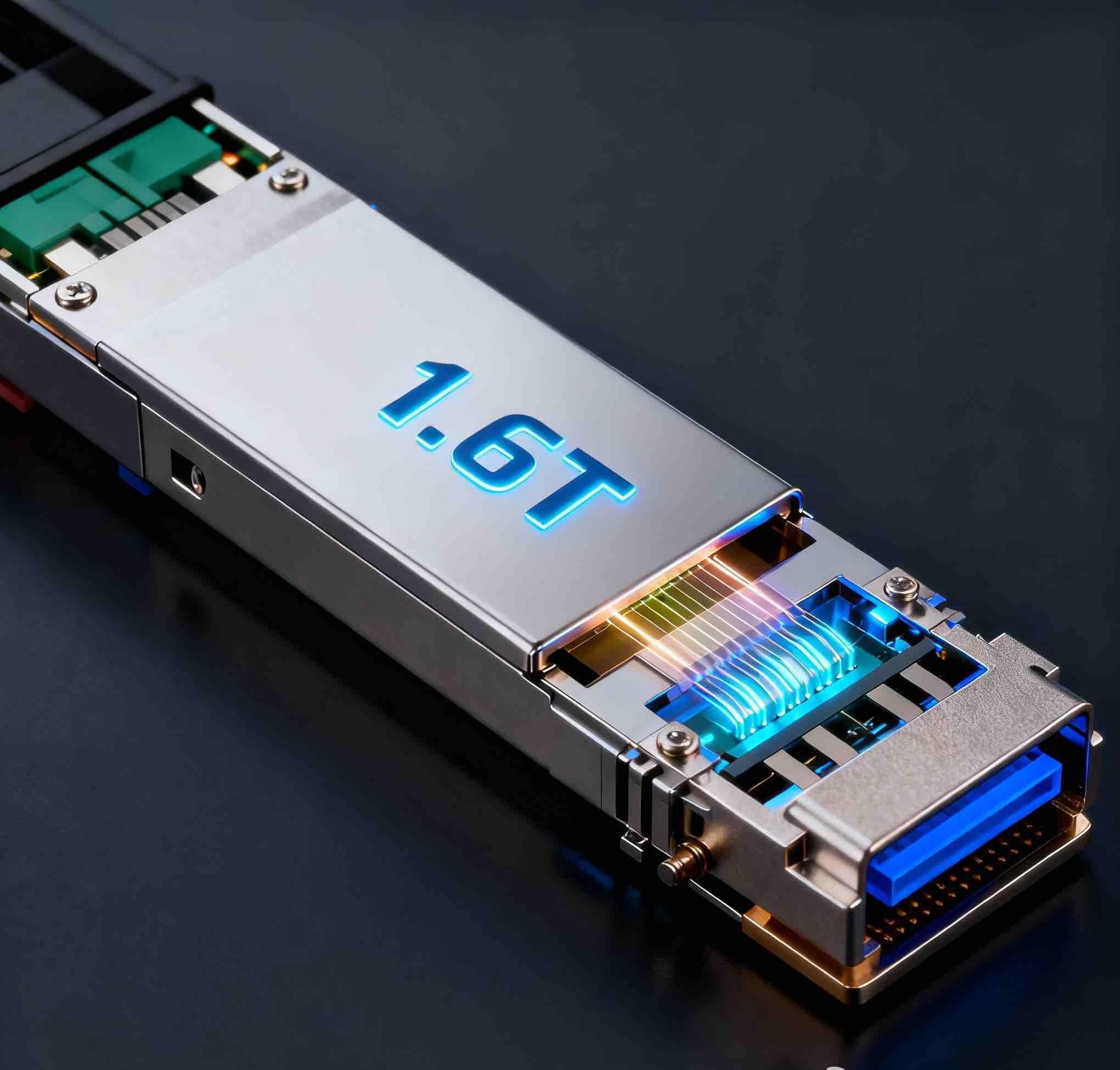
At the product generation level, the AlN ceramic substrate for 800G optical transceiver saw rapid volume growth in 2024–2026, covering EML long-reach, high-density silicon photonics, and high-power DSP designs. The AlN substrate for 1.6T optical module entered small-batch ramp in 2026 and is expected to scale to volume in 2027, with AlN consumption per module (substrate + housing + heat sink) increasing further. Industry data indicates that AlN penetration in high-power 1.6T models is significantly higher than in 800G, particularly in EML long-reach and silicon photonics high-channel-density designs.
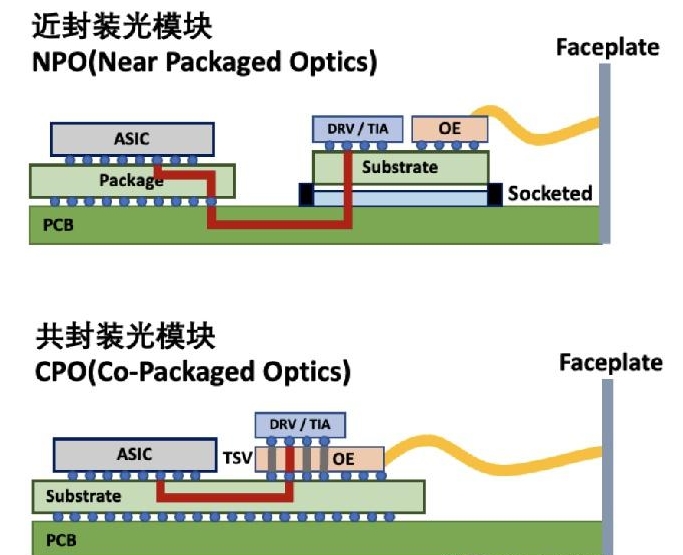
At the architecture level, the aluminum nitride CPO substrate represents a new growth area on the AI cluster switch side. CPO co-packages the optical engine with the switching chip, significantly compressing the pluggable module housing footprint while shortening heat dissipation paths — but at the cost of drastically increased thermal density. AlN substrates carrying silicon photonics engines have become essential.
On the packaging side, the AlN ceramic housing for transceiver, manufactured via HTCC, delivers hermetic sealing, high-frequency performance, and thermal conductivity in one package — a combination that is virtually indispensable for long-reach modules. At the chip level, the AlN laser diode submount for silicon photonics serves as the first heat dissipation interface closest to the heat source, where CTE matching directly determines laser lifetime.
Looking ahead over the next 2–3 years, AlN is expected to accelerate toward becoming the default choice for high-power 1.6T and CPO nodes. However, alumina will continue to coexist in low- and medium-power, short-reach applications — the two materials are not purely substitutes, but will serve distinct application tiers.
Xiamen Juci specializes in manufacturing High Purity AlN Powder, AlN Granule, Thermal Conductive Filler, and AlN Ceramics—products that have earned consistent recognition and positive feedback from customers worldwide. Should you have any requirements, please do not hesitate to contact us.
Contact: Jenny Qin / 진현혜
Phone: +86 151-5177-8700
Wechat ID: JENNY-8866
Xiamen Juci Technology Co., Ltd.
Email: qinxianhui@chinajuci.com
Website: www.jucialnglobal.com
WhatsApp : +8618250812806
WhatsApp : wechat: JENNY-8866
Email : chenxiaofang@chinajuci.com
Email : qinxianhui@chinajuci.com
Tel : +8618250812806
Tel : +8615151778700